Discover How Natural Pain Relief Can Transform Your Well-being
- Avishek Kumar
- Nov 20, 2025
- 4 min read

Many individuals suffer from chronic pain, often turning to medication for relief. However, there's a world of natural pain relief methods that can not only alleviate discomfort but also enhance your overall well-being. In this blog, we'll explore various natural approaches that can empower you to take control of your health and promote a pain-free lifestyle.
Understanding Natural Pain Relief
Natural pain relief includes various methods and practices that help soothe discomfort without the use of pharmaceuticals. Understanding how these methods work can empower you to find what suits your needs.
At its core, natural pain relief involves a holistic view of wellness. This perspective recognizes that pain is not merely a physical sensation but also intertwined with emotional and psychological factors. By appreciating this complexity, we open the door to a more effective management strategy.
The journey into natural pain relief often begins with education. Imagine exploring a treasure trove of information on the body’s natural responses to pain and the various techniques available for relief. From acupuncture to aromatherapy, it's an exciting field that invites personal experimentation and discovery.
The Role of Diet in Pain Management
What we eat directly affects inflammation levels and pain. Discovering anti-inflammatory foods and creating a balanced diet can be a significant step towards achieving natural pain relief.
Consider the Mediterranean diet, rich in fruits, vegetables, whole grains, and healthy fats. Studies suggest that such dietary choices can significantly decrease inflammatory markers in the body. Transitioning to this lifestyle might seem daunting at first, but the potential benefits are worth the effort.
Incorporating specific nutrients, like omega-3 fatty acids found in salmon, walnuts, and flaxseeds, can be particularly powerful in combating pain. These nutrients play a crucial role in reducing inflammation, which is often at the root of chronic pain.
Moreover, staying hydrated cannot be overstated. Water helps to maintain lubrication in the joints and can aid in reducing pain from ailments such as arthritis. Simple changes, like carrying a water bottle, can successfully integrate hydration into your daily routine.
Mindfulness and Meditation Techniques
Practicing mindfulness and meditation can dramatically influence your perception of pain. We'll delve into techniques that help quiet the mind and reduce pain sensitivity.
Mindfulness is about bringing your attention to the present moment, and this practice can be especially helpful during painful episodes. Techniques such as body scans, where you focus on different parts of your body, can help create a deeper awareness of what's happening inside.
Meditation also offers a beautiful way to cultivate peace amidst discomfort. A simple practice is guided meditation, where you listen to a recording that gently guides your thoughts away from pain. This redirection often results in a profound alleviation of discomfort.
Exploring Herbal Remedies
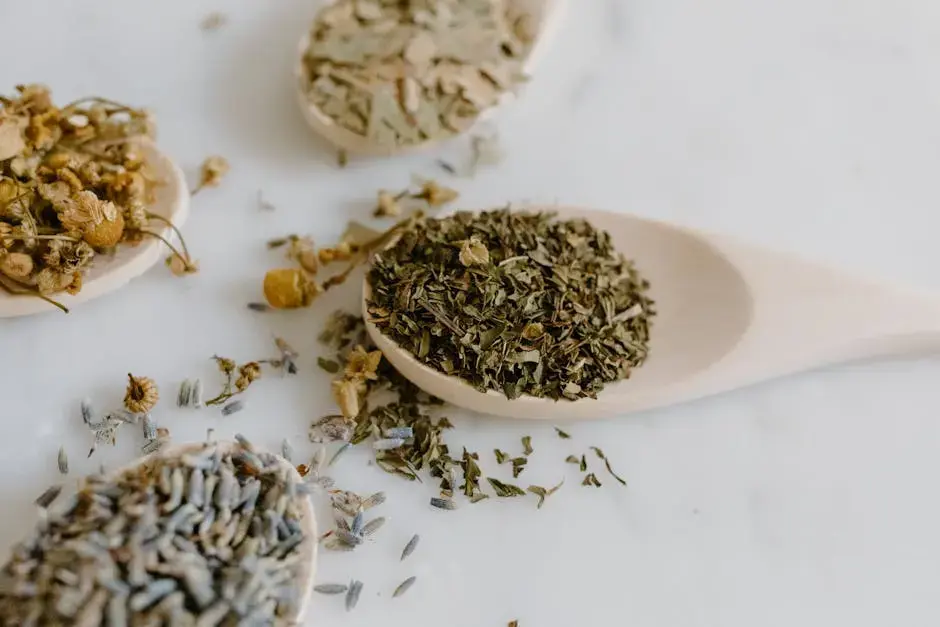
From turmeric to ginger, various herbs have been shown to alleviate pain. Learn how to incorporate these healing botanicals into your routine safely and effectively.
Turmeric, known for its active compound curcumin, possesses potent anti-inflammatory properties. Adding it to your daily meals or taking it as a supplement can work wonders for your pain management.
On the other hand, ginger is another powerhouse herb that may help reduce pain levels. Consuming ginger tea or adding fresh ginger to your recipes can create a delightful experience while also aiding in pain relief.
However, it’s vital to consult with a healthcare provider before starting any herbal regimen, especially if you are currently taking other medications. This ensures that you’re on a safe and effective path toward healing.
The Power of Physical Therapy and Exercise
Physical activity can be incredibly beneficial in managing pain. We'll explore gentle exercises and therapies that can enhance mobility and reduce discomfort.
Consider engaging in low-impact activities like swimming or yoga. These exercises not only support joint health but also promote flexibility, which is essential in alleviating pain. Yoga, in particular, combines physical movement with mindfulness practices, creating an environment ripe for healing.
Physical therapy presents a tailored approach to pain relief by focusing on strengthening specific muscle groups. A skilled therapist guides you through tailored exercises that address your unique needs and thus can lead to significant improvements in your well-being.
Integrating Natural Pain Relief into Your Daily Life
Making small changes in your daily habits can lead to significant improvements in your pain levels. Tips and strategies for seamlessly integrating these natural methods will be discussed.
Start with your environment. Create a personal space dedicated to relaxation, free from distractions. Incorporate soft lighting, comfortable seating, and perhaps soothing sounds to enhance your home’s atmosphere, which can play a pivotal role in your healing journey.
Additionally, developing a routine that involves short bursts of physical activity, mindful breathing exercises, and herbal tea breaks can create a harmonious balance throughout your day. These small, manageable changes often accumulate, leading to significant long-term benefits.
Remember, patience is key. It may take time to notice the full effects of these natural methods. Embrace the journey of incorporating natural pain relief into your life, and celebrate each step you take towards improved well-being.
Embrace Natural Pain Relief for a Healthier You
Natural pain relief is not just a fleeting solution; it's a holistic approach to improving your quality of life. By incorporating these methods into your daily routine, you can support your body in healing, reduce reliance on pharmaceuticals, and foster a healthier, happier you. Remember, always consult with a healthcare professional before starting any new treatment.



Comments